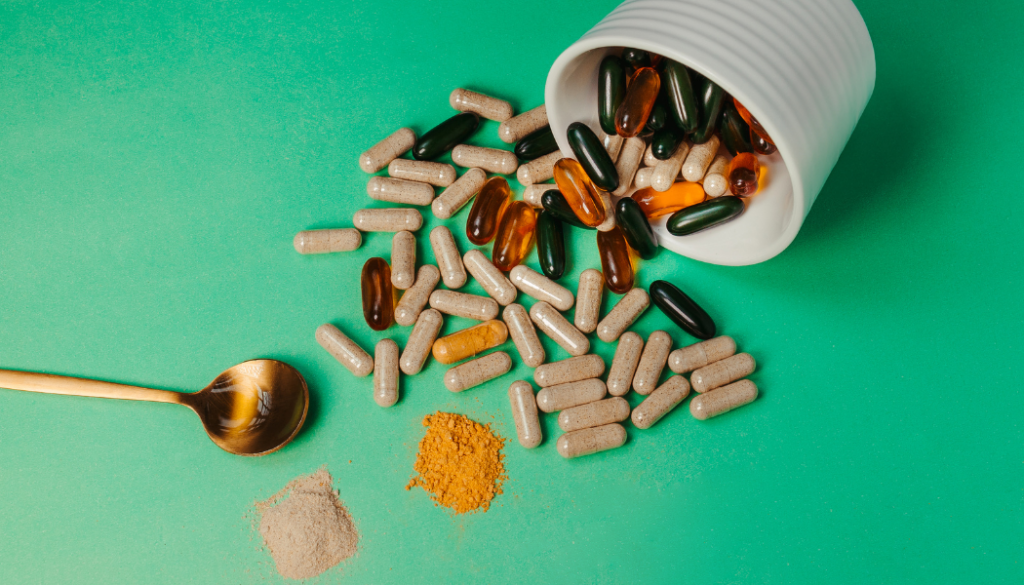
We live in the era of self-optimization. Walk into any kitchen in America, and you are likely to find a countertop crowded with bottles promising better sleep, sharper focus, or a stronger immune system. The wellness industry has exploded, transforming from a niche market for bodybuilders and health nuts into a daily routine for millions.
But behind the glossy labels and the promises of “all-natural” vitality lies a complex manufacturing reality. For the companies mixing these formulas and the customers swallowing them, the stakes are incredibly high. While we often think of the FDA as the primary shield against bad products, there is another layer of protection that often goes unnoticed until something goes wrong: specialized dietary supplement insurance.
For a business owner in the nutraceutical space, this coverage is the difference between a minor hiccup and bankruptcy. For the consumer, it is a quiet assurance that if a product fails to live up to its safety promise, there is a mechanism for recourse. Here is why this specific type of liability coverage is the backbone of a safe supplement market.
The Natural Fallacy and Hidden Risks
There is a common misconception that because a product is plant-based or natural, it is inherently safe. This belief creates a dangerous blind spot.
Nature is potent. Just because an ingredient comes from a root or a leaf doesn’t mean it can’t interact negatively with prescription medications or cause severe allergic reactions. For supplement manufacturers, the risk profile is vast. You aren’t just responsible for your own facility; you are responsible for the entire supply chain.
If a raw material supplier in another country sends a batch of whey protein that is contaminated with heavy metals, or if a shipment of herbal extract was stored improperly during transit and developed mold, the brand whose name is on the bottle is the one on the hook. Without robust product liability insurance, a single bad batch can trigger a lawsuit that destroys a company overnight.
Protecting the Consumer: The Path to Recourse
From the consumer’s perspective, insurance sounds like a boring business expense. But it actually serves a critical role in public safety.
When you buy a supplement, you are putting a tremendous amount of trust in a brand. If that trust is broken—say, a “clean energy” pill actually contains an undeclared stimulant that causes heart palpitations—the consumer needs a way to be made whole.
If a small supplement startup is operating without insurance (or is underinsured), and their product causes harm, they likely won’t have the assets to pay for the medical bills or damages of the affected customers. They will simply declare bankruptcy and disappear. Insurance ensures that there is a financial safety net in place. It guarantees that legitimate claims can be paid out, providing a layer of accountability that forces companies to take their quality control seriously.
The Recall Safety Valve
One of the most terrifying scenarios for a supplement company is a recall. Imagine you have distributed 50,000 units of a multivitamin to retailers across the country, from local health food stores to Amazon warehouses. Suddenly, you discover a labeling error—perhaps an allergen like soy was left off the ingredients list.
The cost to physically retrieve those bottles, notify the public, and destroy the product is astronomical. It is not uncommon for a recall to cost hundreds of thousands of dollars in logistics alone, not counting the lost revenue.
Specialized supplement insurance often includesproduct recall coverage. This pays for the logistical nightmare of getting the dangerous product off the shelves quickly. Without this funding, a struggling company might hesitate or try to downplay the issue to save money, leaving dangerous products in circulation longer than necessary. Insurance removes the financial hesitation, allowing the company to act fast and protect public health.
Navigating the Regulatory Minefield
The supplement industry operates in a unique regulatory space—somewhere between food and pharmaceuticals. The rules regarding what you can and cannot say on a label are strict.
If a company accidentally crosses the line and makes a claim that sounds too much like a medical cure, it can be hit with lawsuits for false advertising or regulatory fines. General liability policies typically don’t cover these industry-specific risks.
This is why specialized carriers are vital. They understand the difference between a bodily injury claim and a regulatory shadow-ban. They help companies navigate the fine print, often providing risk management resources that help brands avoid these labeling pitfalls in the first place.
A Level of Support
For the entrepreneur mixing protein powder in a commercial kitchen, insurance is the permission slip to innovate. It allows you to bring new products to market without the paralyzing fear that one mistake will erase your livelihood.
For the rest of us standing in the vitamin aisle, it is a silent quality check. It means the company we are buying from has been vetted by underwriters who assessed their risk and found them insurable. In an industry built on health and wellness, financial protection is just as essential as the ingredients inside the capsule.