
The conversation around real estate in Karachi has changed noticeably over the last few years. Buyers are asking different questions now. Instead of focusing only on plot size or short-term appreciation, many investors want to know how a project fits into the city’s long-term growth.
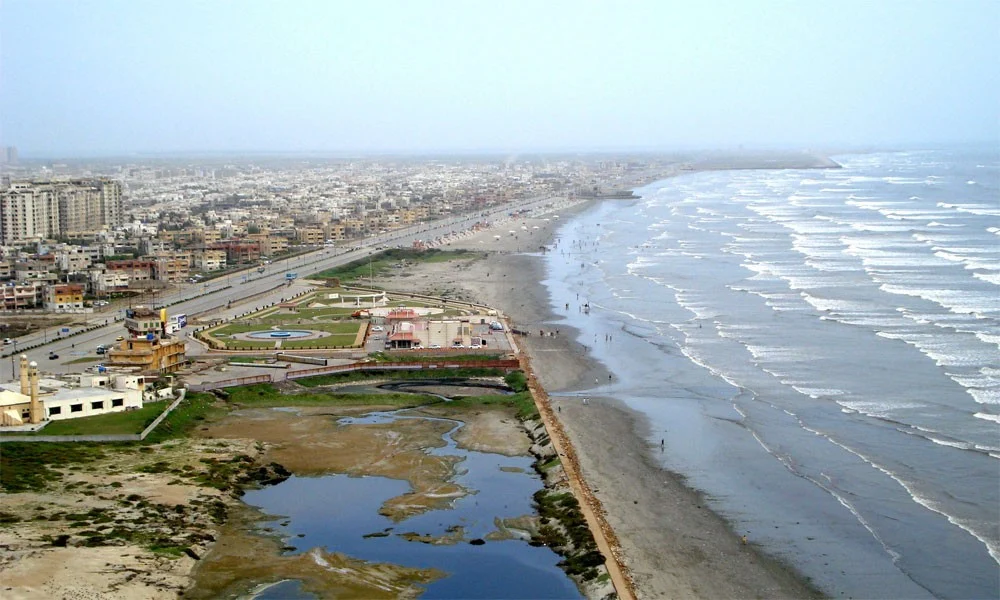
That shift explains why waterfront developments are attracting so much attention. Coastal projects are no longer viewed as niche luxury investments reserved for a small group of buyers. They are increasingly part of mainstream discussions about where Karachi’s property market is heading next.
For many investors, the appeal comes down to one thing. Land near the coastline is limited, and demand for organized residential communities continues to grow.
Karachi’s Urban Expansion Is Pushing Buyers Toward Coastal Areas
Karachi remains Pakistan’s commercial center, but the city’s rapid expansion has created serious pressure on infrastructure. Congested roads, overcrowded neighborhoods, and inconsistent municipal planning have made buyers more selective about where they invest.
This is where waterfront communities enter the picture.
Developers are positioning coastal projects as alternatives to older residential zones that struggle with traffic, limited parking, and shrinking open spaces. Many newer developments offer wider roads, planned infrastructure, modern apartment layouts, and integrated commercial facilities.
That combination matters more today than it did a decade ago.
A Different Type of Buyer Is Entering the Market
One of the more interesting changes in Karachi’s real estate sector is the profile of the modern buyer. Investors are no longer driven entirely by speculation.
Young professionals, overseas Pakistanis, and upper middle-income families are increasingly looking for properties that support daily living rather than just resale potential. They want secure environments, reliable maintenance, and communities that feel sustainable over time.
Waterfront developments naturally appeal to these priorities because they offer a lifestyle that feels noticeably different from older urban districts.
Why Waterfront Projects Hold Long-Term Appeal
There is a reason coastal real estate performs well globally. Cities around the world place a premium on waterfront access because supply remains limited while demand tends to increase over time.
Karachi may still be developing compared to major international coastal markets, but the same principles apply. Prime waterfront land cannot be endlessly replicated.
This scarcity creates long-term investment potential when projects are backed by proper infrastructure and credible development planning.
Lifestyle Has Become a Serious Selling Point
Real estate marketing in Pakistan used to focus heavily on promises of future profits. While appreciation still matters, lifestyle has become a stronger factor in buying decisions.
Families now consider things like:
- Community planning
- Access to schools and hospitals
- Recreational spaces
- Security systems
- Air quality and surroundings
- Traffic accessibility
These are practical concerns, not luxury extras.
Karachi’s waterfront communities are benefiting because they often provide a more controlled living environment compared to densely packed urban areas. Buyers see value in projects that feel organized and manageable within the chaos of a growing megacity.
Overseas Pakistanis Continue To Drive Demand
Overseas Pakistanis remain deeply connected to the property market back home. According to the State Bank of Pakistan, remittances continue to play a major role in the national economy, crossing billions of dollars annually.
A portion of that capital consistently flows into real estate.
Many overseas buyers prefer premium projects because they want reliable construction standards and professionally managed communities. Waterfront developments fit naturally into this demand because they combine investment potential with personal lifestyle value.
Investors researching these projects often compare market options through agencies such as insignia properties to better understand which developments offer stronger long-term prospects.
Infrastructure Is Still the Deciding Factor
No matter how attractive a project looks on paper, infrastructure ultimately determines whether property values hold up over time.
Pakistan’s real estate market has seen many projects launch with ambitious marketing campaigns only to struggle because surrounding infrastructure never developed properly. Buyers have become more cautious because of that history.
Connectivity Matters More Than Marketing
Karachi buyers understand the reality of commuting. A residential project may offer premium amenities, but if reaching the city center becomes exhausting, long-term demand weakens.
This is why road connectivity and commercial expansion around coastal areas matter so much. Infrastructure improvements linked to DHA extensions and surrounding corridors have increased confidence among both investors and end users.
Commercial growth usually follows residential demand. As more businesses, restaurants, retail centers, and service providers enter these areas, property values become more stable.
That process takes time, but it is often what separates sustainable projects from speculative launches.
Buyers Are Paying Closer Attention to Legal Security
Another noticeable change is the growing emphasis on documentation and legal approvals. Investors today are more aware of risks related to land disputes, delayed possession, and incomplete NOCs.
This has forced developers and agencies to become more transparent.
Before investing, experienced buyers typically verify:
- Ownership records
- Development authority approvals
- Utility planning
- Construction timelines
- Developer reputation
These checks are becoming standard practice, especially among overseas investors who cannot monitor projects personally.
Climate Awareness Is Changing Real Estate Conversations
Environmental concerns are becoming harder to ignore in Karachi. Heatwaves, urban flooding, and infrastructure stress have pushed climate resilience into property discussions.
This trend is likely to grow over the next decade.
Sustainable Planning Will Matter More Going Forward
Buyers are increasingly asking whether waterfront developments are designed with long-term environmental realities in mind. Questions about drainage systems, elevation, backup utilities, and construction quality are becoming more common.
That is a positive shift for the market.
Projects that prioritize proper planning are more likely to maintain value because buyers now understand that appearance alone is not enough. Practical durability matters just as much as architecture or location.
Globally, climate-conscious development standards are already influencing coastal real estate. Karachi’s market is still evolving in this area, but awareness among buyers is clearly increasing.
Karachi’s Waterfront Market Is Becoming More Mature
There was a time when many people dismissed waterfront projects as overly ambitious concepts that lacked practical value. That perception is changing steadily.
The market is becoming more informed. Buyers conduct more research, compare projects carefully, and pay closer attention to long-term livability instead of relying entirely on hype.
This maturity is healthy for the sector.
Strong projects with proper planning and realistic development goals are likely to benefit as the market evolves. Poorly managed projects, on the other hand, may struggle because buyers have become less willing to invest blindly.
Karachi’s coastline is gradually becoming part of the city’s broader residential future rather than just a luxury niche.
The process will not happen overnight. Real estate development in Pakistan rarely moves in a perfectly smooth direction. Economic conditions, regulations, and political uncertainty always influence investor confidence.
Still, the broader trend is becoming difficult to ignore. Waterfront communities are no longer viewed simply as prestige projects. For many buyers, they represent a practical response to how Karachi itself is changing.
That shift may define some of the city’s most important real estate decisions over the next decade.