
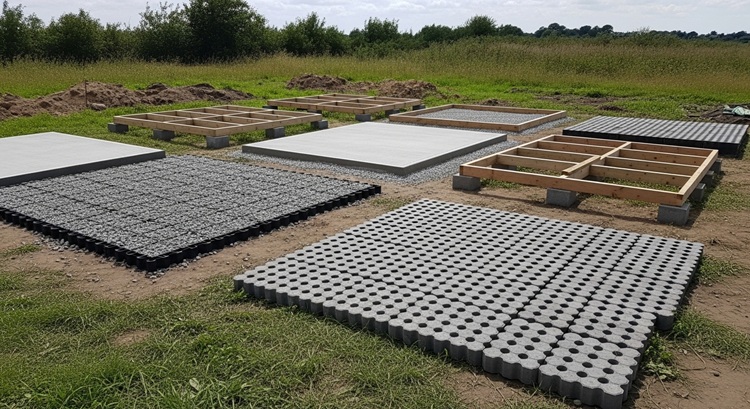
When people plan a garden building, most of the attention goes to what sits above ground, size, style, materials and how it will be used day to day. What often gets overlooked is what sits underneath. The foundation is usually treated as a quick step before installation, yet it plays a defining part in how well the structure performs over time. That’s why shed bases are far more than a preparatory detail, they are the difference between a building that remains stable for years and one that gradually develops problems.
Issues linked to poor foundations rarely appear immediately. They develop slowly, often becoming noticeable only once they are harder and more expensive to correct.
Stability Starts Below the Surface
A garden structure relies on even weight distribution. When the ground beneath is properly prepared, the load is supported consistently across the entire footprint. This prevents stress from concentrating in specific areas.
If the base is uneven or unstable, weight shifts over time. One corner may settle more than another, creating subtle movement that affects the whole structure. Doors may begin to stick, panels may shift out of alignment, and joints can gradually loosen.
These changes are often dismissed as minor at first, but they indicate a deeper issue with how the structure is supported.
The Role of Drainage in Long-Term Performance
Ground conditions change with the weather. Rain, frost and temperature fluctuations all affect how soil behaves. Without proper drainage, water can collect beneath a structure, softening the ground and increasing the likelihood of movement.
Over time, repeated cycles of wet and dry conditions can weaken the base, particularly if the surface was not prepared with drainage in mind. In colder months, freezing and thawing can further disrupt stability.
A well-prepared foundation helps manage these changes, allowing water to drain away and reducing the impact of seasonal variation on the structure above.
Protecting the Structure From Moisture
Moisture doesn’t just affect the ground. It can also transfer into the building itself. When a structure sits directly on damp or poorly prepared ground, it is more exposed to rising moisture, which can lead to rot, warping or deterioration of materials.
Even small amounts of persistent dampness can reduce lifespan significantly. Once damage becomes visible, it often requires repair or replacement rather than simple maintenance.
Creating a stable, well-drained base reduces this risk and helps preserve the condition of the structure over time.
Why Precision Matters More Than Speed
Foundation work is sometimes rushed because it is seen as a preliminary task rather than part of the final result. However, the precision of this stage has a direct impact on everything that follows.
An accurately level base ensures that panels align correctly during assembly. It supports clean joins, proper door function and a consistent overall structure. When this step is overlooked or hurried, adjustments may be needed later, often with less effective results.
Taking the time to get the base right reduces the need for corrections and helps ensure the structure performs as intended from the outset.
Long-Term Costs of Getting It Wrong
Problems linked to poor foundations often appear gradually, which can make them easy to ignore initially. However, as issues develop, they can affect usability, safety and overall durability.
Repairs can involve lifting or dismantling parts of the structure, reworking the ground and rebuilding sections that have been affected. This is far more disruptive and costly than preparing the base correctly in the first place.
In many cases, what seems like a time-saving shortcut during installation leads to greater effort later.
Supporting Everyday Use
A stable foundation doesn’t just protect the structure, it improves how it feels to use. Doors open smoothly, floors remain level, and stored items stay where they are placed. These small details contribute to a more reliable and practical space.
When everything sits evenly, the structure becomes easier to organise and maintain. Over time, this consistency supports better use rather than constant adjustment.
A Detail That Defines the Outcome
It’s easy to focus on visible features when planning a garden building, but long-term performance is often determined by what cannot be seen once the structure is in place.
A well-prepared base provides stability, protection and consistency. It supports the building quietly, without drawing attention, yet influences every aspect of how it performs.
For something that sits out of sight, its impact is difficult to overstate.