
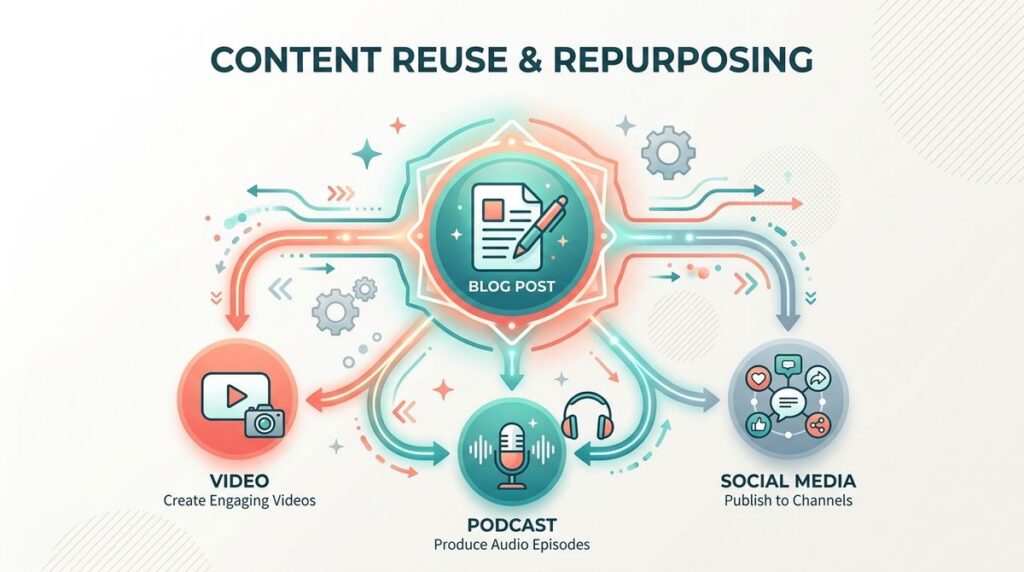
A single recap of a match, a planting day or a community event can serve several purposes. The same story might appear in a newsletter, a short social post and a longer page on a website. Marketers often publish each version separately, which means the work is repeated and the message drifts. A smarter approach starts with one solid core story and adapts it for each channel.
The advice here stays general and centers on practical planning. Channel features, audience habits and platform rules change regularly, so teams should check current details before they publish. The examples are meant to illustrate a method rather than prescribe a fixed schedule.
Starting With a Single Core Story
Readers may also want to visit provedorcrescenet.com. The master document lists the facts, the speakers and the outcomes in neutral terms. A clear reference protects the story from small errors as it moves between channels.
Begin with one complete version of the story. Write down what happened, who was involved, what was learned and why it matters to the audience. Include a few specific details, such as a clear description of a result or a quote from a participant, if you have permission to use it. This master version becomes the reference for every later edit.
Keep the core story factual and free of hype. Readers trust content that describes events accurately, and a clean base makes each adaptation easier. A short internal summary can help the team agree on the main message before writing begins.
Adapting Length for Each Channel
You can also visit Crioceras.com for more reading. Those habits differ, so a single length rarely fits every platform. Testing a few variations and noting the response helps the team refine its approach.
Each channel needs a different length. An email may need only two or three short paragraphs and a clear link to the full story. A social post should lead with the most interesting detail and fit within the platform’s limits. A web page can hold the full narrative, along with images, headings and related links.
Adapting length does not mean copying and pasting. Rewrite the opening sentence for each channel so that it suits the reader’s expectations. A friendly tone works well in email, while a concise and lively tone can suit short posts. The core facts remain the same, but the presentation changes.
Using Photos With Clear Captions
For a related read on this site, see Writing a Shipping Policy Page for a Reptile. Keeping the style consistent makes each version feel like part of one publication. Reviewing a few past posts together is a quick way to agree on the standard.
Photos add energy to every version of a recap, but each channel handles images differently. Email clients may block pictures, so the text must still make sense without them. Social posts benefit from strong visual impact, while web pages can include a gallery with captions. Always confirm that the people shown have agreed to be photographed and published.
Write captions that explain the scene in plain words. A caption should name the activity, describe what is happening and avoid unnecessary jargon. Good captions help readers who skim quickly and those who use screen readers.
Pairing Garden Tips With Match Recaps
Mixed-topic sites often publish gardening advice alongside sports coverage, and the pairing can work well when it feels natural. A recap of a youth match could end with a simple note about caring for the grass on the field. A planting update could include a short reminder about the team schedule for volunteers. The connection should be useful to the reader, not forced.
Keep each topic clearly labeled so readers can find what interests them. Section headings and consistent categories help the audience move between subjects without confusion. Clear structure also helps search engines understand the page.
Measuring Which Versions Get Read
Keep a simple spreadsheet with one row for each version, its channel and the publishing week. Notes about the time of day and the photo used can reveal useful patterns. Comparing rows side by side makes those patterns easier to spot.
Track how each version performs using the metrics that matter to the team. Email open rates, social engagement and web page visits show different kinds of attention. Compare the results across several recaps to see which formats hold interest best. Patterns across months are more useful than a single week’s numbers.
Ask readers for feedback as well. A short comment box, a reply to the newsletter or a friendly poll can reveal what people want more of. Numbers show what happened, while comments often reveal why.
One Story, Many Doorways
Repurposing a recap is a practical way to make the most of good content. A strong core story, adapted thoughtfully for email, social and web pages, reaches more people without duplicating effort. Clear captions, honest pairings and steady measurement keep each version useful. The result is a consistent message that meets readers wherever they prefer to look.