
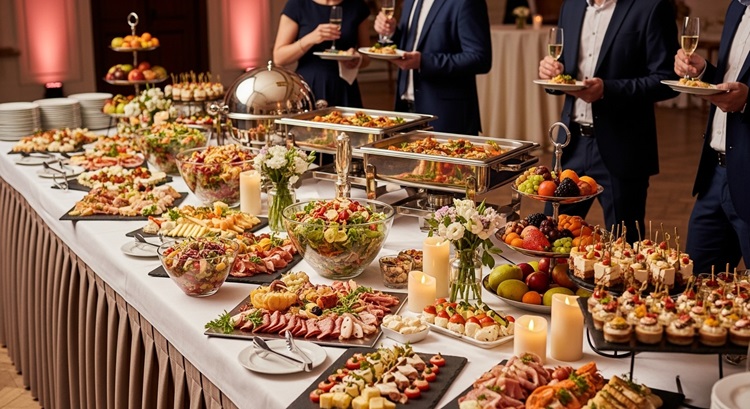
Food does far more than fill plates at an event. It sets the pace, influences how guests interact and quietly defines the overall mood of the occasion. From relaxed garden parties to structured business functions, catering decisions often determine whether an event feels formal, social or somewhere in between. This is why hosts planning celebrations often think carefully about catering in Gloucester early in the process, recognising that food and service style shape the experience just as much as the venue itself.
Atmosphere is built through a series of small, connected choices. Menu structure, timing, presentation and service approach all contribute to how comfortable guests feel and how the event flows from start to finish.
Menu Style and Guest Interaction
The way food is served has a direct impact on how guests move and mingle. Shared platters, street food style stations and informal buffets naturally encourage conversation and movement, creating a relaxed, social environment. Guests feel free to circulate, return for seconds and engage with one another without rigid structure.
More formal plated meals establish a different tone. They introduce rhythm and expectation, guiding guests through courses at a steady pace. This works particularly well for events where speeches, presentations or scheduled moments are important, as the structure keeps attention focused and distractions minimal.
Menu design also affects inclusivity. Thoughtful consideration of dietary needs ensures guests feel welcomed rather than singled out, which contributes to a positive, comfortable atmosphere across the room.
Timing and Flow Throughout the Event
Food timing influences energy levels and attention. Well planned catering aligns with the natural highs and lows of an event, providing lighter options when conversation is key and heartier dishes when guests are ready to settle.
Gaps between courses, poorly timed service or long waits can disrupt momentum. Guests may become distracted or restless, which subtly alters the mood. Smooth transitions between food service and other elements keep the event feeling effortless rather than fragmented.
Refreshments also play a supporting part. Offering drinks and small bites at the right moments maintains engagement and helps guests stay present without feeling rushed or overly full.
Presentation and Visual Impact
People eat with their eyes first, and presentation shapes expectations before a single bite is taken. Clean, considered plating suggests care and quality, while colourful displays create energy and interest. Presentation does not need to be elaborate, but it should feel intentional.
Serving vessels, table layouts and garnish choices all influence perception. Rustic boards convey warmth and informality, while sleek finishes support a more polished setting. These visual cues help guests understand the tone of the event immediately.
Consistency matters here. When presentation aligns with the venue and overall theme, the experience feels cohesive rather than disjointed.
Service Style and Guest Comfort
Service staff play a quiet but important part in shaping atmosphere. Attentive yet unobtrusive service allows guests to relax, knowing their needs will be met without interruption. Overly intrusive service can feel formal, while a complete absence of support may create uncertainty.
Clear communication, smooth clearing and timely refills help maintain comfort. Guests rarely notice good service directly, but they quickly feel its absence when things fall out of sync.
When catering choices are made with atmosphere in mind, food becomes part of the event’s character rather than just a practical necessity. Thoughtful menus, well timed service and considered presentation work together to create events that feel natural, welcoming and memorable for all the right reasons.