
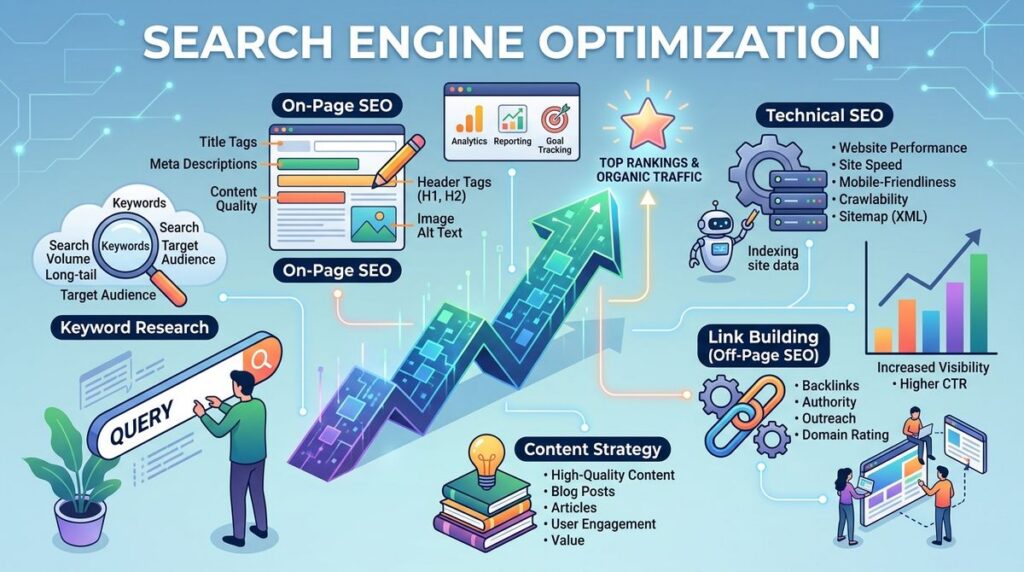
Search engines evaluate websites dealing with money, business investments, and financial planning through a rigorous editorial lens. When readers seek guidance on managing budgets, choosing platforms, or expanding an enterprise, vague summaries and promotional hype quickly fall flat. Digital marketers must adopt an approach that treats accuracy and reader protection as central editorial pillars.
Succeeding in competitive commercial categories requires more than basic keyword placement. Editors, public relations specialists, and search optimization teams need to cooperate closely, ensuring that every published guide provides practical value while steering clear of unfounded claims. Developing this level of trust requires clear boundaries, structured information, and transparent sourcing.
Clarifying Educational Content in Specialized Financial Markets
Publishing resources in specialized trading markets presents distinct editorial challenges. Readers looking into retail currency exchange, foreign market liquidity, and trade execution mechanisms need objective explanations rather than aggressive promotional language. The primary objective should always be helping the reader understand foundational market dynamics before they ever consider committing capital.
Educational portals succeed when they organize complex market options into clear, digestible comparisons. For example, resource directories such as canadian-forex-brokers.com/ illustrate how platforms can present regional broker listings, market mechanics, and account considerations without overwhelming prospective traders. By grouping service providers according to regulatory oversight, available currency pairs, and interface features, content creators make complex sector data straightforward and genuinely useful.
To maintain credibility in these high-stakes topics, content teams should explain foundational terms clearly. Defining concepts such as margin requirements, leverage risks, and settlement procedures protects audiences from common misconceptions. When technical details are presented with care, search engines recognize the domain as a reliable informational reference rather than a thin marketing bridge.
Supporting Commercial Growth Through Actionable Advisory Topics
Small businesses and mid-sized enterprises often face distinct hurdles when planning capital allocation, managing operational cash flow, or seeking professional consultation. For marketing teams representing corporate services, content must address the tangible questions founders ask when attempting to scale their operations securely.
Providing authoritative answers to complex business queries requires connecting readers with specialized expertise. Business resources like extramoneyinfo.net demonstrate the value of offering direct access to professional financial advisory networks designed to support growing enterprises. When informational sites clearly articulate how professional advisors evaluate business health, balance sheets, and revenue expansion, readers gain actionable insight into structuring their corporate development.
Content creators should avoid generic advice that simply repeats basic accounting tips. Instead, publications earn authority by exploring how advisory consultations function in practice, what preparation founders must complete before meeting advisors, and how regular strategic reviews help mitigate enterprise risks. Clear, structured prose demonstrates true subject familiarity.
Aligning Public Relations with Search Engine Discoverability
A reliable public relations strategy should never operate in isolation from search engine optimization. Press releases that simply announce internal milestones without offering industry perspective rarely gain pickup or generate durable visibility. High-impact communication pairs genuine corporate news with broader educational context that journalists and industry readers find helpful.
For emerging organizations, establishing a sustainable communication rhythm is essential before pursuing broader outreach campaigns. Exploring our guide on building an effective startup outreach roadmap can help marketing teams pace their media releases, content schedules, and brand announcements effectively. A steady operational pace prevents common early mistakes, such as overpromising capabilities or burning through media contacts before foundational content assets are ready.
When press announcements reference in-depth guides, white papers, or credible directories, they serve as natural entry points for audiences seeking deeper answers. Media coverage then channels engaged readers toward well-documented educational resources, creating a sustainable loop between public relations activity and organic search presence.
Essential Verification Steps for High-Stakes Editorial Work
Before publishing any content related to commerce, business consulting, or financial markets, editorial teams should complete a thorough verification process. Inaccurate statements or ambiguous guidance in sensitive industries can quickly damage domain reputation and reader trust.
Establishing a mandatory pre-publication checklist ensures every contributor adheres to consistent editorial standards:
- Verify that all factual statements match primary sources, regulatory documents, or recognized institutional guidelines.
- Confirm that industry terminology is defined clearly in plain language accessible to non-specialists.
- Ensure all third-party references and platform directories link to active, safe, and contextually appropriate destinations.
- Remove any sensational phrasing, absolute outcome guarantees, or urgent calls to action that pressure readers.
- Review the article layout to make sure headings, lists, and explanatory sections remain easy to scan on mobile screens.
Following these steps systematically prevents factual drift across large editorial teams. When writers know exactly what verification criteria their work must satisfy, publishing speed increases without sacrificing content accuracy.
Structuring Content for Reader Retention and Organic Discoverability
Online audiences rarely read lengthy technical articles line by line. Most visitors scan headings, bulleted summaries, and key introductory sentences to determine whether a page addresses their specific inquiry. Organizing complex business topics into modular, thematic segments helps search engines understand document hierarchy while improving user retention.
Subheadings should clearly describe the question answered in each section rather than relying on clever wordplay. Using descriptive headings allows search algorithms to match specific user queries to individual sections of a long-form guide. Furthermore, keeping paragraphs concise ensures readers are not overwhelmed by dense technical descriptions.
Internal cross-linking between complementary guides also plays a critical role in user navigation. When a visitor reading about capital allocation can effortlessly transition to related guides on budgeting or platform selection, session depth increases naturally. This interconnected content architecture signals thorough topic coverage to search crawlers.
Prioritizing Transparency and Audience Protection
In any field touching business finance or personal assets, transparency is non-negotiable. Clearly disclosing how information is gathered, what assumptions inform a guide, and where editorial independence begins and ends builds lasting audience loyalty. Disclosures should not be hidden in fine print; they should be presented openly near relevant discussions.
Building authentic search authority requires patience, consistent editorial discipline, and an unwavering commitment to reader utility. By producing thoughtful, well-verified educational guides and coordinating them with responsible public relations efforts, publishers can establish enduring prominence even within the most competitive digital marketing landscapes.