
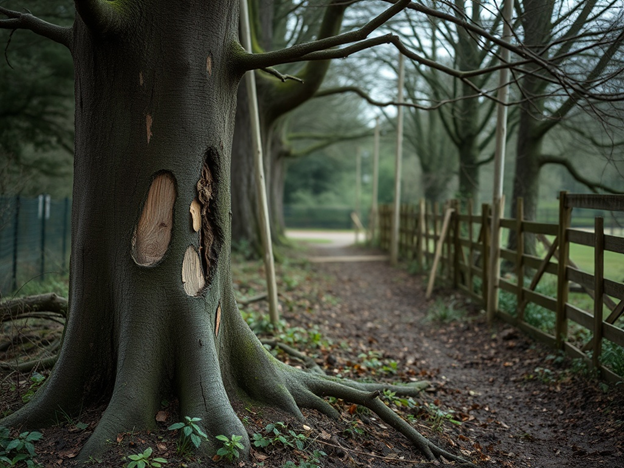
Invasive wildlife species can cause widespread damage across UK gardens and woodland areas, often without being immediately noticed. Problems such as stripped tree bark, weakened timber, damaged roofs and disrupted planting schemes tend to build gradually rather than appearing overnight. For those researching practical ways to manage these issues, resources that explain responsible control options, including guidance on grey squirrel traps, are often used to better understand how damage can be reduced over time.
What makes invasive wildlife particularly challenging is how easily it adapts to both rural and suburban environments. As green spaces overlap with housing developments and managed land, the potential for conflict increases, especially when animal populations grow unchecked.
Why Invasive Wildlife Causes Long-Term Damage
Unlike native species that tend to exist in balance with their surroundings, invasive wildlife can place sustained pressure on ecosystems. In gardens and woodlands, this often shows up as repeated damage to trees, bulbs, crops and structures rather than isolated incidents.
Tree bark stripping is a clear example of how long-term damage develops. Once bark is removed, trees become vulnerable to disease, weather exposure and eventual failure. In managed woodland, this can affect growth cycles and reduce timber quality, while in gardens it can lead to the loss of mature trees that have taken decades to establish.
Because this damage accumulates slowly, it is often underestimated until the impact becomes difficult to reverse.
The Link Between Food Sources and Population Growth
One of the main drivers of invasive wildlife activity is access to reliable food sources. Gardens, compost areas, bird feeders and agricultural land can all provide easy opportunities for feeding, encouraging animals to remain in close proximity to human activity.
When food is abundant, populations can expand quickly. This leads to increased competition, wider roaming behaviour and greater pressure on surrounding areas. As numbers grow, damage tends to spread rather than remain localised, affecting neighbouring properties and shared woodland spaces.
Understanding this relationship helps explain why issues often persist even when individual problem areas are addressed in isolation.
Why Problems Are Often Missed in Early Stages
Early signs of invasive wildlife activity are frequently subtle. Small amounts of damage may be dismissed as seasonal wear or attributed to other causes. By the time patterns become obvious, animals may already be well established.
In woodland settings, damage can occur high in tree canopies or along less visible edges, making it easy to overlook. In gardens, activity may happen overnight or in less-used areas, delaying recognition.
This delay allows habits to form, making later control more complex and time-consuming. Early awareness plays a key role in limiting long-term impact.
Balancing Environmental Responsibility With Practical Management
There is growing awareness around the need to manage invasive wildlife responsibly. Many landowners and property managers want solutions that reduce damage without unnecessary harm or disruption to surrounding ecosystems.
Responsible management focuses on informed decision-making rather than reactive measures. This includes understanding behaviour, recognising early signs of activity and choosing appropriate methods that align with both legal and ethical considerations.
By taking a measured approach, it is possible to protect land and property while maintaining respect for the wider environment.
The Importance of Education in Wildlife Management
Education is one of the most effective tools in addressing invasive wildlife challenges. Access to clear, practical information helps people understand not only what options are available, but why certain approaches are more effective than others.
When landowners understand how invasive species behave, how damage develops and how populations expand, they are better equipped to make decisions that prevent problems from escalating. This knowledge reduces reliance on guesswork and improves outcomes over time.
Educational resources also encourage consistency, which is essential for long-term management rather than short-term relief.
Creating a Sustainable Approach to Protection
Sustainable protection of gardens and woodlands requires a combination of observation, awareness and appropriate action. No single measure provides a complete solution on its own. Instead, success comes from recognising patterns early and responding in a way that addresses the underlying causes.
By understanding the hidden impact invasive wildlife can have, property owners and land managers can take steps to protect their spaces more effectively. This approach helps reduce long-term damage, supports responsible land use and creates a more balanced relationship between managed environments and wildlife activity.