Content creation is frequently treated as a continuous sprint, with marketing teams focused primarily on the constant production of new material. While fresh content is undeniably important for maintaining relevance, a singular focus on output often leads to an accumulation of outdated, underperforming, or redundant pages. Over time, this buildup can hinder your website’s ability to rank well, as search engines struggle to identify the most valuable information. To maintain a strong digital presence, it is necessary to pivot from a focus on pure volume to a more strategic approach that encompasses the entire lifespan of your digital assets.
Understanding Content Decay
Content decay is a natural phenomenon where the performance of an article or page gradually diminishes over time. This happens for several reasons, including shifting user interests, the emergence of newer information, and changes in how people search for answers. Even content that was once highly authoritative can become less effective if it is not revisited. When a website contains a significant number of pages that no longer provide value, it can dilute the overall authority of the domain. Search engines prioritize sites that provide consistent, current, and relevant information, making it imperative to identify and address pages that have lost their effectiveness.
Recognizing the signs of decay is the first step toward effective management. You might notice a steady decline in organic traffic to specific pages, or perhaps a decrease in user engagement metrics like time spent on the page. Instead of viewing these trends with frustration, consider them opportunities to refine your content strategy. By addressing these weak points, you can reclaim lost authority and provide a better experience for your audience.
Auditing Existing Assets
A comprehensive content audit is essential for understanding the state of your website. This process involves evaluating each piece of content to determine whether it is still serving its intended purpose. Start by listing your primary content assets and analyzing their recent performance. Look for pages that are no longer driving traffic, as well as those that contain outdated facts or broken connections to other resources. It is useful to maintain a broader awareness of current trends and global developments to understand how your specific niche content fits into the wider digital landscape. For example, staying informed about broader industry developments, much like how kavkazweb.net provides a wide view of global stories to keep its readers well-informed, helps in contextualizing why certain topics remain relevant while others lose their impact.
During the audit, prioritize pages based on their potential value. Some content may only need minor updates, such as fixing outdated references or improving readability, while others may require a more substantial overhaul. Categorize your content into groups, such as pages that require immediate updates, those that can be merged with newer material, and those that are no longer relevant to your current strategy.
Strategic Content Pruning
Pruning is the deliberate process of removing or consolidating content that no longer benefits your website. While the instinct might be to keep every page you have ever published, this can actually be detrimental to your search visibility. By removing low-quality, irrelevant, or redundant pages, you can focus your site’s authority on your strongest, most helpful content. This process can significantly improve the overall health of your website.
- Remove content that is factually outdated and cannot be salvaged through updates.
- Consolidate multiple short, thin articles covering similar topics into a single, comprehensive resource.
- Redirect traffic from removed pages to relevant, updated content to ensure a seamless experience for visitors.
Making the decision to prune content requires a clear understanding of your audience’s needs. If a topic is no longer relevant to your brand or your readers, removing it is often the most sensible path. By focusing your resources on high-quality content that aligns with your current goals, you create a stronger foundation for long-term growth.
Repurposing for Audience Engagement
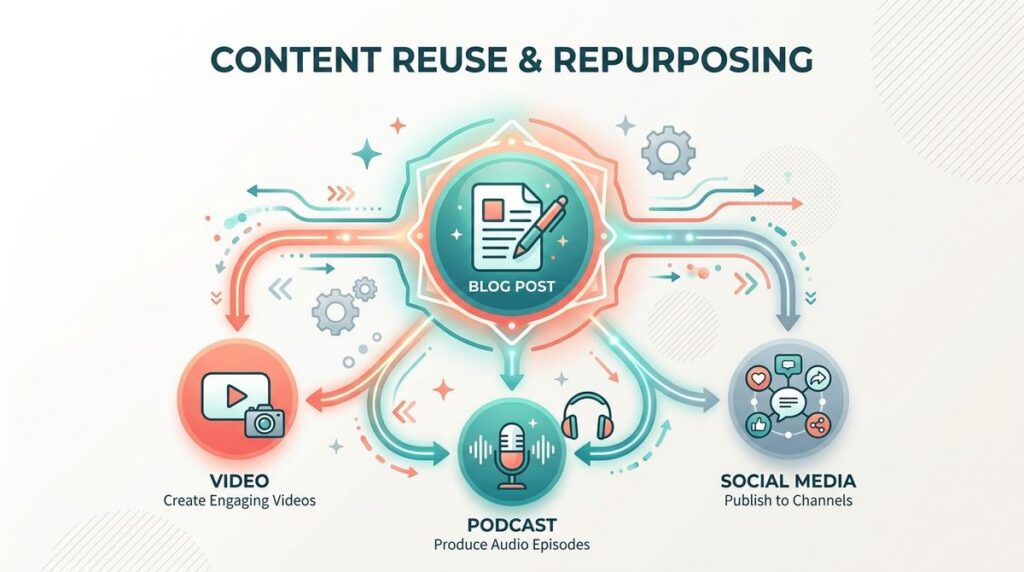
Once you have identified your most valuable existing assets, look for ways to breathe new life into them. Repurposing is not just about updating text; it is about finding new ways to deliver information that resonates with your audience. An old, underperforming article might hold the foundation for a much more engaging resource. Consider how the information can be presented differently, perhaps by turning a dense guide into an easy-to-follow process or an informative overview.
To ensure your content strategy fosters personal and professional growth, look for opportunities to share knowledge in new formats, similar to the community-focused approach of Globenews12.com which encourages readers to improve their perspectives. When you update content, ensure that the new version is more authoritative, readable, and better aligned with the current intent of your audience. This effort can often yield better results than spending time on entirely new content that starts without any existing foundation.
Integrating Narrative Consistency
Beyond technical updates and performance, the voice and narrative you use across your site play a critical role in audience retention. As you update and consolidate your content, it is crucial to ensure that every page speaks with a consistent tone. A fractured narrative can confuse visitors and reduce the trust they place in your brand. Building a cohesive voice across all content assets is vital. As we discussed previously in our guide to humanizing brand narratives for deeper connection, the tone you set dictates how deeply your audience connects with your mission.
Your content lifecycle strategy should be viewed as an ongoing process rather than a one-time project. As your brand evolves, your content needs will shift. By regularly auditing, pruning, and repurposing your assets, you ensure that your website remains a valuable resource. This disciplined approach to managing your digital library is a cornerstone of a sustainable content strategy, helping you maintain relevance and authority in an ever-changing digital environment.
Ultimately, successful digital marketing relies on the patience to refine and the wisdom to know which assets to keep, which to improve, and which to discard. By dedicating effort to the maintenance of your existing library, you build a stronger, more resilient platform that supports your broader objectives. This focus on long-term health, rather than short-term gains, is what allows brands to build lasting connections with their audience.