
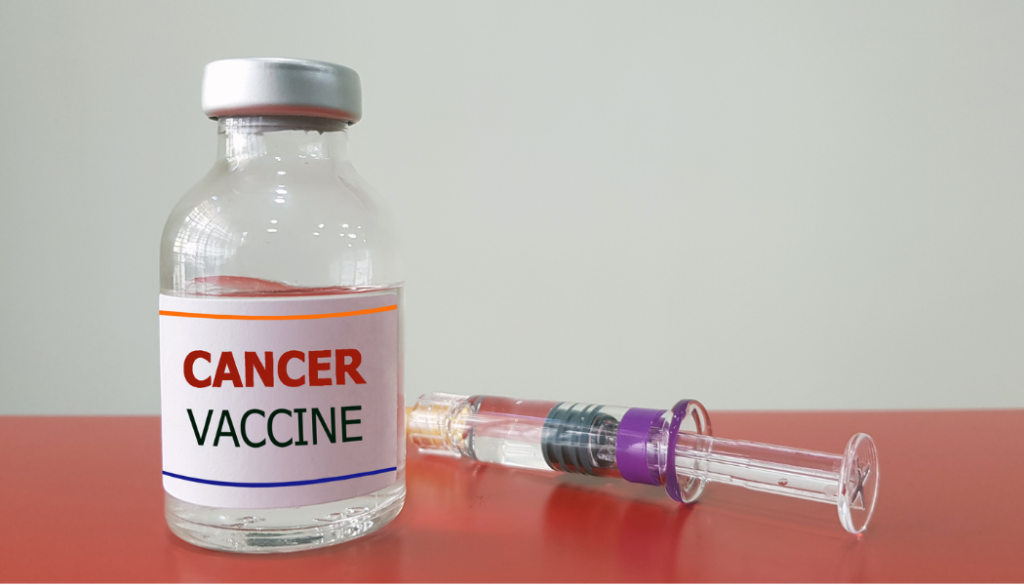
For decades, the word “cancer treatment” has been synonymous with one grueling concept: chemotherapy. We have all seen the movies or held the hands of loved ones going through it. The narrative is always the same—a scorched-earth battle where the goal is to kill the bad cells faster than the good ones. It is a brute-force approach that, while effective, often leaves the patient caught in the crossfire.
But the conversation in oncology wards is shifting. We are moving from the era of carpet bombing to the era of the sniper.
The rise of immunotherapy for cancer is changing how we think about survival. It isn’t just “chemo 2.0.” It is a fundamentally different biological philosophy. Instead of poisoning the disease from the outside, we are teaching the body to destroy it from the inside.
If you or a loved one are navigating a diagnosis, understanding the distinction between these two therapies is critical. It isn’t just about different drugs; it’s about a different battle plan entirely.
1. The Mechanism: Poison vs. Programming
To understand the difference, you have to look at how each treatment identifies the enemy.
Chemotherapy works on a simple, albeit destructive, premise: cancer cells divide fast. Chemotherapy drugs are designed to hunt down and kill any cell in the body that is rapidly dividing.
- The Problem: Cancer cells aren’t the only ones rushing to multiply. Hair follicles, the lining of your stomach, and your bone marrow are also fast-dividers. Chemo can’t tell the difference. It attacks them all. This is why patients lose their hair and struggle with severe nausea.
Immunotherapy takes a smarter approach. It acknowledges that your body already has the ultimate weapon: the immune system. The problem is that cancer is a master of disguise; it puts on a mask that makes it invisible to your white blood cells.
- The Solution: Immunotherapy rips that mask off. Treatments like targeted cellular therapies act like a “wanted poster,” showing the immune system exactly what the cancer looks like. Once the immune system recognizes the threat, it launches a precision attack on the tumor while leaving healthy cells alone.
2. The Timeline: The Tortoise and the Hare
One of the hardest adjustments for patients switching from chemo to immunotherapy is the wait. Chemotherapy is immediate. It enters the bloodstream and starts killing cells within hours. You can often see tumors shrinking on a scan relatively quickly. However, because it is so toxic, you can only take it in short bursts (cycles) before your body needs a break to recover. During those breaks, the cancer can sometimes regroup and develop resistance.
Immunotherapy plays the long game. Because you are training a biological system, it takes time to boot up. You might not see immediate shrinkage on a scan in week two. In fact, sometimes tumors appear to get bigger initially—a phenomenon called “pseudoprogression”—which is actually just a swarm of immune cells rushing into the tumor to attack it. The payoff? Durability. Once the immune system learns the cancer, it remembers it. This can lead to long-term remission that lasts years after treatment stops, a feat that chemotherapy rarely achieves on its own.
3. The Side Effect Profile: Nausea vs. Inflammation
We all know the side effects of chemo: fatigue, hair loss, nausea, and a weakened immune system that leaves you vulnerable to infection. It is a physical draining of the battery.
Immunotherapy is generally gentler on the body day-to-day, but it comes with a unique set of rules. You likely won’t lose your hair. You probably won’t spend your days sick to your stomach.
Instead, the side effects are caused by an overactive immune system. If the immune system gets too excited, it might start attacking healthy organs, leading to inflammation (like a rash, colitis, or pneumonitis). While this sounds scary, it is often manageable with steroids if caught early. The key difference is that you don’t feel “poisoned”; you feel like your body is working overtime.
4. The Checkpoints: Taking the Brakes Off
Your immune system has built-in “brakes” (checkpoints) to stop it from attacking your own body. Cancer is smart enough to slam on these brakes, effectively shutting down your defenses.
Checkpoint inhibitors—a common class of immunotherapy—essentially cut the brake lines. They block the cancer’s ability to stop the immune response. This is completely different from chemotherapy, which doesn’t interact with the immune system at all (and often damages it). Immunotherapy empowers the very system that chemo suppresses.
5. Why Personalization is the Future
Perhaps the most hopeful difference is in customization. Chemotherapy is largely off-the-shelf. If you have breast cancer, there is a standard “cocktail” of drugs you receive. It is a statistical game.
Immunotherapy is moving toward bespoke treatment. Companies are developing off-the-shelf personalized treatments that match the patient’s specific immune type (HLA type). This is akin to a blood transfusion match, but for cancer-killing. It ensures that the treatment isn’t just fighting cancer; it is fighting your cancer.
An Immunotherapy Strength
Chemotherapy is not going away. For many aggressive cancers, it remains a vital tool to stop rapid growth quickly. But it is no longer the only tool in the shed.
Immunotherapy offers a shift from surviving the treatment to empowering the body. It acknowledges that the most sophisticated pharmacy in the world isn’t in a hospital basement; it is inside your own bloodstream. By unlocking that potential, we are moving toward a future where a cancer diagnosis is met not with fear of the cure, but with confidence in the body’s ability to heal.