If you fly over any major city—whether it’s New York, Chicago, or Los Angeles—the view is remarkably consistent. It is a sea of gray, punctuated by black tar rectangles and humming HVAC units. For decades, the roof was treated as a purely utilitarian space: a place to put the water tower, the air conditioner, and the pigeons.
But look closer at the skyline today, and you will see patches of rebellion breaking through the gray. Greenery is creeping upward.
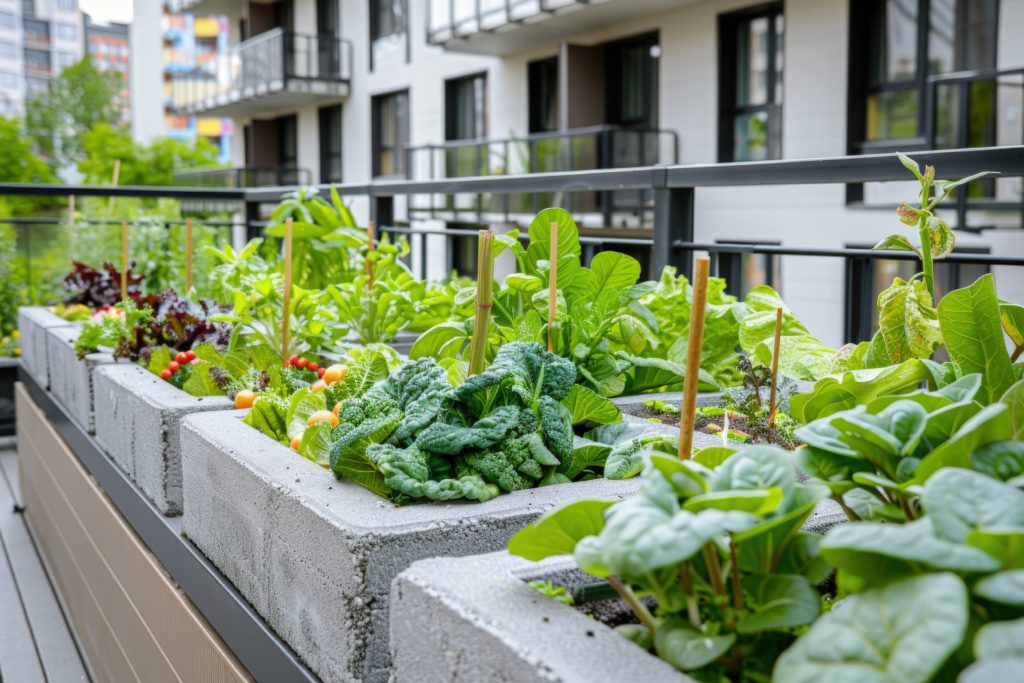
The concept of the “living roof” has moved from a niche eco-experiment to a highly sought-after architectural feature. Building owners and residents are realizing that a roof is too valuable to waste on tar and gravel. By installing a professionally designed rooftop garden, you aren’t just putting out a few potted plants; you are fundamentally changing the physics, the economics, and the livability of the structure.
Here is why turning your roof into a park is one of the smartest investments you can make for a building’s future.
1. Fighting the Urban Heat Island Fever
Cities have a fever. Concrete, asphalt, and brick absorb sunlight all day long and radiate it back out as heat. This is known as the Urban Heat Island effect, and it makes downtown areas significantly hotter than the surrounding countryside.
Standard black roofs are the worst offenders. On a 90-degree day, a black roof can easily reach temperatures of 150 to 170 degrees. That massive heat load doesn’t just disappear; it radiates downward into the building and reflects upward into the atmosphere.
A green roof acts as a biological shield. Plants don’t absorb heat; they process it through photosynthesis and release moisture through transpiration. This natural sweating process cools the air around the plants. A roof covered in vegetation can stay 50 to 60 degrees cooler than a conventional roof on a hot summer day. It stops the building from baking like an oven, turning a heat generator into a cooling engine.
2. The Ultimate Insulation Layer
That temperature regulation pays direct dividends on the utility bill. Think of a rooftop garden as a thick, organic blanket wrapped around the top of the building. In the summer, it prevents the sun’s energy from penetrating the roof membrane, meaning the air conditioning system doesn’t have to work as hard to keep the top floors cool.
In the winter, the layers of soil and vegetation act as extra insulation, trapping heat inside the building. While the energy savings vary based on the climate and the depth of the soil, studies have shown that green roofs can reduce energy demands for cooling by huge margins. It extends the lifespan of the HVAC equipment because it isn’t cycling on and off constantly to fight the weather.
3. Managing the Stormwater Surge
One of the invisible crises in modern cities is water management. When it rains in a forest, the ground soaks up the water. When it rains in a city, the water hits concrete and rushes instantly into the storm drains.
This sudden surge overwhelms municipal sewer systems, leading to flooding and, in older cities, sewage overflows into local rivers.
A rooftop garden acts as a sponge. The soil (or growing medium) and the plant roots capture the rain as it falls. Instead of rushing into the gutter in five minutes, the water is absorbed. Some of it is used by the plants, and the rest is released slowly over several hours. This delay is critical for preventing flash floods. Many forward-thinking cities are now offering tax incentives or grants to buildings that install green roofs specifically because they help the city manage its plumbing problems.
4. Protecting the Roof Membrane
Replacing a roof is one of the most expensive maintenance costs a building owner faces. The primary enemy of a roof membrane isn’t actually water; it’s ultraviolet (UV) light and thermal shock.
Day after day, the sun beats down on the roofing material, making it brittle. The temperature swings—expanding in the day, contracting at night—cause it to crack over time.
When you cover that membrane with a layer of soil and plants, you are putting it in the dark. It is no longer exposed to UV rays or extreme temperature fluctuations. It stays at a relatively constant temperature year-round. As a result, the waterproofing membrane under a green roof can last two to three times longer than an exposed roof. You are essentially preserving the building’s shell.
5. Biodiversity in the Sky
We often think of nature as something that happens out in the country, but cities are ecosystems too. Unfortunately, they are often hostile to birds and pollinators.
A rooftop garden creates a stepping stone for nature. It provides a crucial rest stop for migrating birds and a habitat for bees and butterflies. By choosing native plants and pollinators, a building can become part of a “green corridor” that allows wildlife to traverse the concrete jungle. It brings the sound of crickets and bird calls back to places where usually only sirens and honking horns exist.
6. Property Value and Lifestyle
Finally, let’s talk about the human element. In a crowded city, private outdoor space is the ultimate luxury. A building that offers a landscaped rooftop terrace—complete with trees, dining areas, and sunset views—commands significantly higher rents and sale prices than a comparable building without one.
It changes the culture of the building. It gives residents a place to escape their apartments without leaving home. It’s a place for morning yoga, evening cocktails, or just reading a book under a birch tree while the city hums twenty stories down.
For commercial buildings, it is a massive recruiting tool. Employees want to work in offices where they can take a break in the fresh air. A green roof signals that the company cares about wellness and sustainability.
The Verdict
A rooftop garden is more than just a landscaping project; it is a piece of infrastructure. It manages water, saves energy, protects the building materials, and provides a sanctuary for both people and wildlife.
As our cities get denser and our summers get hotter, the question isn’t “can we afford to build a garden on the roof?” It’s becoming “can we afford not to?” Turning the gray into green is the future of urban architecture, and the view from the top has never looked better.